Jack Reacher and Walking

This text comes from “Personal”, Lee Child’s Jack Reacher series of novels. General O’day is profiling Reacher to his face with this monologue to try and convince Reacher to help him out with a mission.

He said “ You’re in pretty good shape for your age, Reacher. No doubt because your chosen lifestyle gives you plenty of opportunity for exercise. Walking, mostly, I suppose. Which is the best kind of exercise, they tell me. But my guess is it’s really not a chore. It’s part of the appeal, isn’t it? Open roads, sunny days, far horizons. Or the city, with noises and lights, and hustle and bustle, and a freak show everywhere you look. You like walking. You like the freedom.”

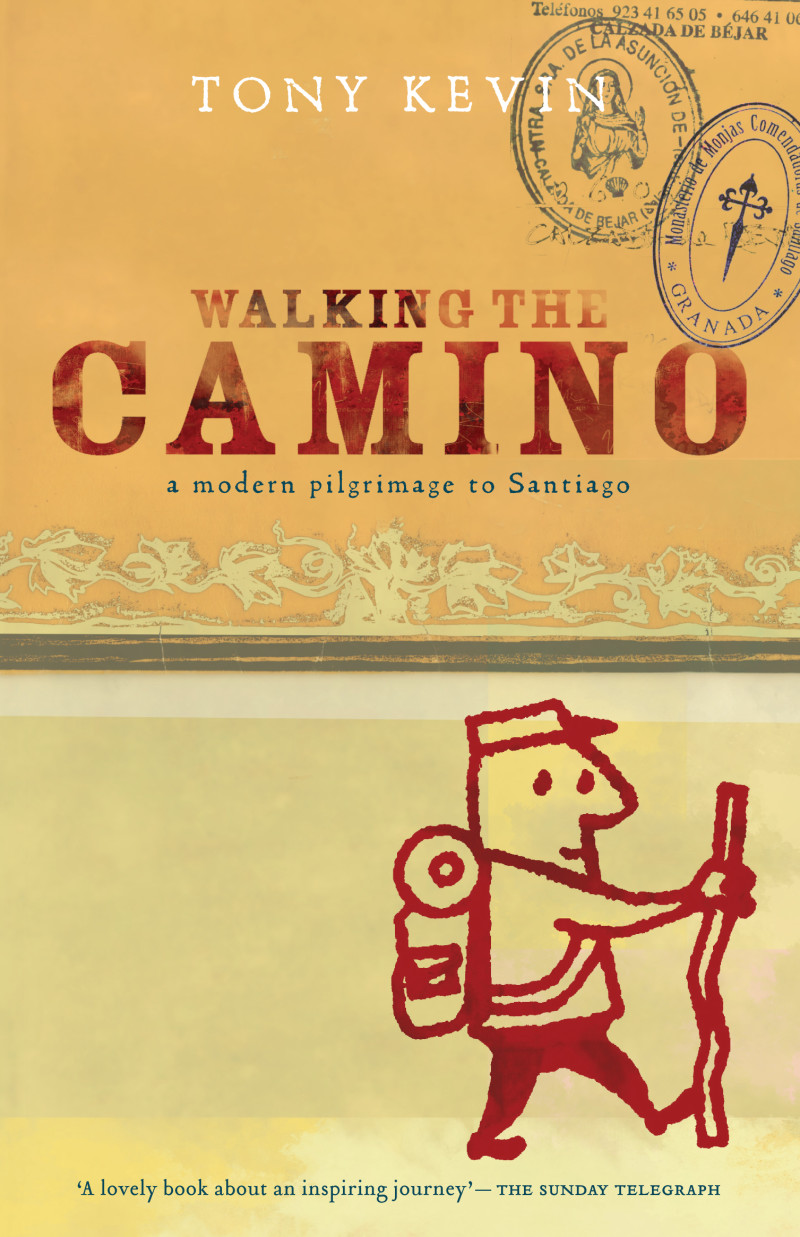
Walking the Camino – Tony Kevin

In this passage from Tony Kevin’s book “Walking the Camino”, Tony offers a home truth that we all know, but find it difficult  to practise. It is our built in survival mechanism to prepare for starvation. We need to temper that notion with reality. We need to reprogram our body to accept that it is ok to be hungry.

Do it slowly over a long period of time. Reduce your meal portion, don’t snack between meals and before every meal drink water. You might even try eating more slowly and paying close attention to the flavours.

Until that day, I had been eating and drinking as if I were at home, not admitting that as a distance walker, I might need to cut back on food intake, to take in no more food and drink than what I needed as daily walking fuel. We tend to eat and drink too much at home out of social habit or sheer boredom, as a distraction or relief from stress, or because we hope it might make us sleep better. Many of us become overweight as a result. It is a fallacy that we need more food when working hard physically. Most of us work better and have more energy when we eat less. People who can cope comfortably with long distance walks tend to be lean and wiry. I had thought that leanness had come as a consequence of walking, but it might be the other way around. To walk long distances enjoyably requires the self-discipline of reducing your food and alcohol intake to no more than you need. If you make your body work on digesting excess amounts of rich food and drink, this takes energy away from the energy you need to walk. Why make your body do all that extra work of digestion, when you can walk comfortably on much less food? Ruefully, I recalled that, despite 500 kilometers of strenuous walking, I had not lost a single kilogram of weight between Granada and Baios de Montemayor.

Walking the Camino. Tony Kevin
Hemingway, Thoreau, Jefferson and the Virtues of a Good Long Walk

Like all walking related writing, age does not weary the content. In fact, it is fascinating to read how are forefathers wrote about walking pre the industrial revolution. This essay by Arianna Huffington Founder, The Huffington Post, from 2013, is a thoughtful take on our mission.

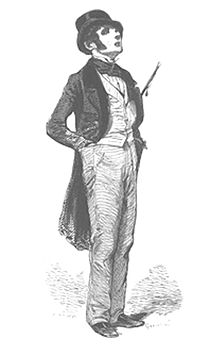
Flânerie

Flâneur in English is via French from the Old Norse verb flana “to wander with no purpose”. Flânerie then is indeed core business for the Order of Walkers and this post is merely a highlight of this historical french practise as written on wikipedia. I suspect the clandestine “Wander Society” would also draw upon its principles.

Flânerie is the act of strolling, with all of its accompanying associations.

Appraise yourself with the practise.

Poem: In Praise of Walking

“There are things we will never see, unless we walk to them.

Walking is a mobile form of waiting.

What I take with me, what I leave behind, are of less importance

than what I discover along the way.

To be completely lost is a good thing on a walk.”

Thomas. A. Clark

Thomas is a scottish poet. You can dive deeper into his work here. I recently stumbled upon his poem “In Praise of Walking” and have found myself coming back to it daily, to remember the sentiments. Just as walking offers new thinking, Thomas’s poem takes me in many different directions. I commend “In Praise of Walking” to the Order of Walkers.

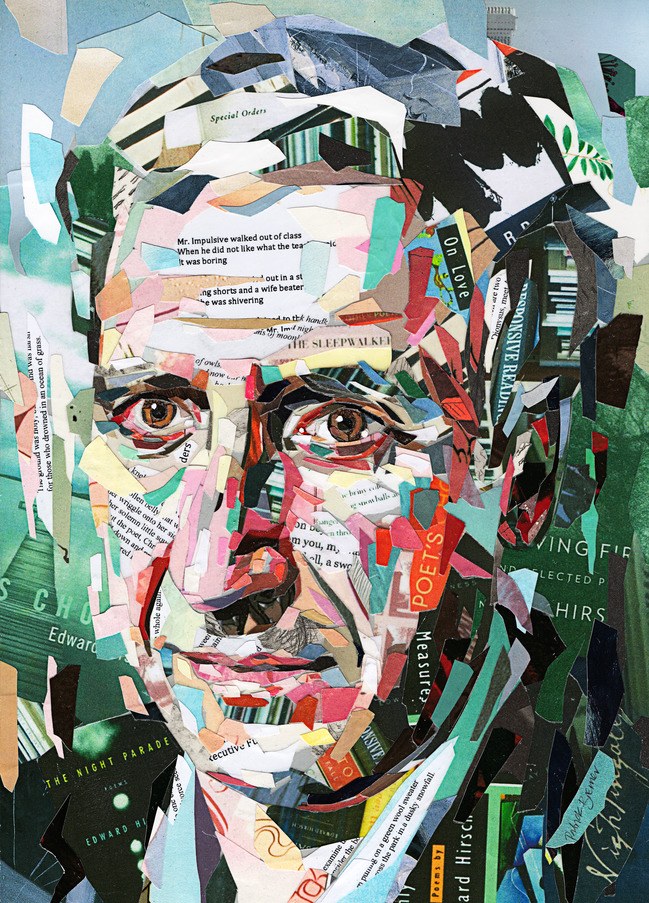
Edward Hirsch, Walking with His Muse

“Poetry is a vocation. It is not a career but a calling. For as long as I can remember, I have associated that calling, my life’s work, with walking. I love the leisurely amplitude, the spaciousness, of taking a walk, of heading somewhere, anywhere, on foot. I love the sheer adventure of it, setting out and taking off. You cross a threshold and you’re on your way. Time is suspended. Writing poetry is such an intense experience that it helps to start the process in a casual or wayward frame of mind. Poetry is written from the body as well as the mind, and the rhythm and pace of a walk can get you going and keep you grounded. It’s a kind of light meditation. Daydreaming is one of the key sources of poetry — a poem often starts as a daydream that finds its way into language — and walking seems to bring a different sort of alertness, an associative kind of thinking, a drifting state of mind.”

Edward Hirsch, Walking with His Muse

–    

Podcast: Walking a Pedestrian Pursuit

“Humans were made for walking. It is as natural to us as breathing. Yet we avoid it whenever and however we can.”

Michael Enwright. The Sunday Edition

This is a revisit of a 2013 recording about our humble pursuit. It’s a concise aggregation of historical topics as well the contemporary.

https://www.cbc.ca/radio/thesundayedition/walking-a-pedestrian-pursuit-1.5412014

I commend this work to the Order of Walkers.

Article: The Unbearable Smugness of Walking. MICHAEL LAPOINTE.

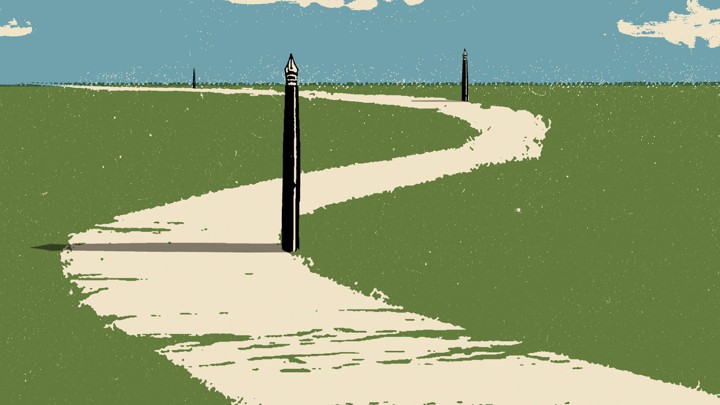
path meandering

In this essay Michael draws on some contemporary texts by Duncan Minshull, Erling Kagge and Rebecca Solnit as he meanders to the conclusion that as a writer, when he walks he can’t help working. I admire this passage.

What Kagge wants to stress, though, is that he writes in reaction to the modern menaces of high speed and convenience that threaten inner silence. “Sitting is about the desire of those in power that we should participate in growing the GDP,” he writes, “as well as the corporate desire that we should consume as much as possible and rest whenever we aren’t doing so.” To walk is to strike out against the culture: “It is among the most radical things you can do.”

Michael Lapointe. The Atlantic

 I commend this piece to the Order of Walkers.

The unbearable smugness of walking