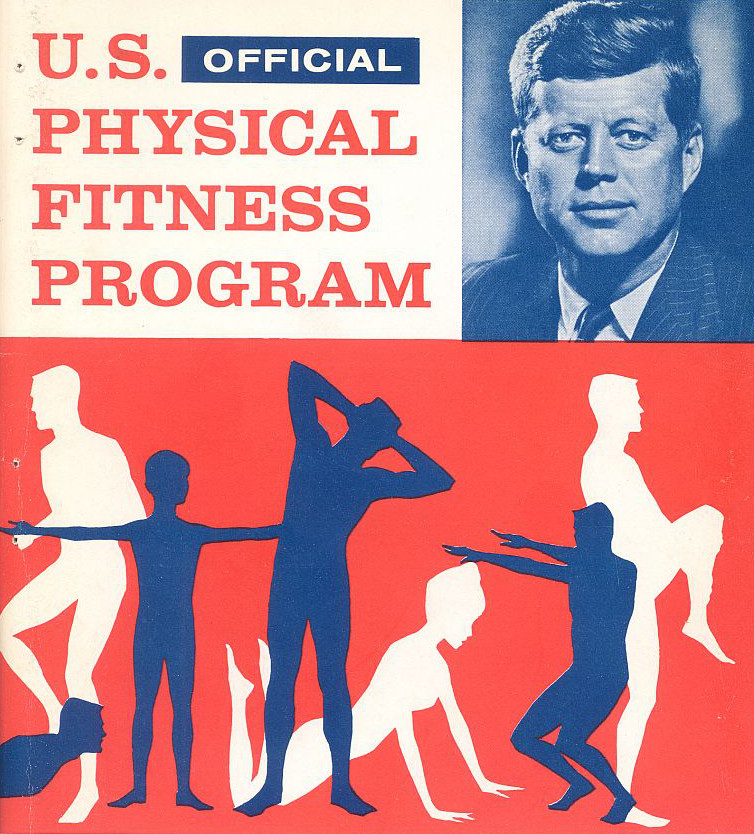
“Physical fitness is not only one of the most important keys to a healthy body; it is the basis of dynamic and creative intellectual activity. . . . [We] know what the Greeks knew: that intelligence and skill can only function at the peak of their capacity when the body is healthy and strong; thatContinue reading ““The Soft American” – President John F. Kennedy”
Category Archives: Historical
The Mountain Men of the 1930’s – Adventures in the Scottish Hills
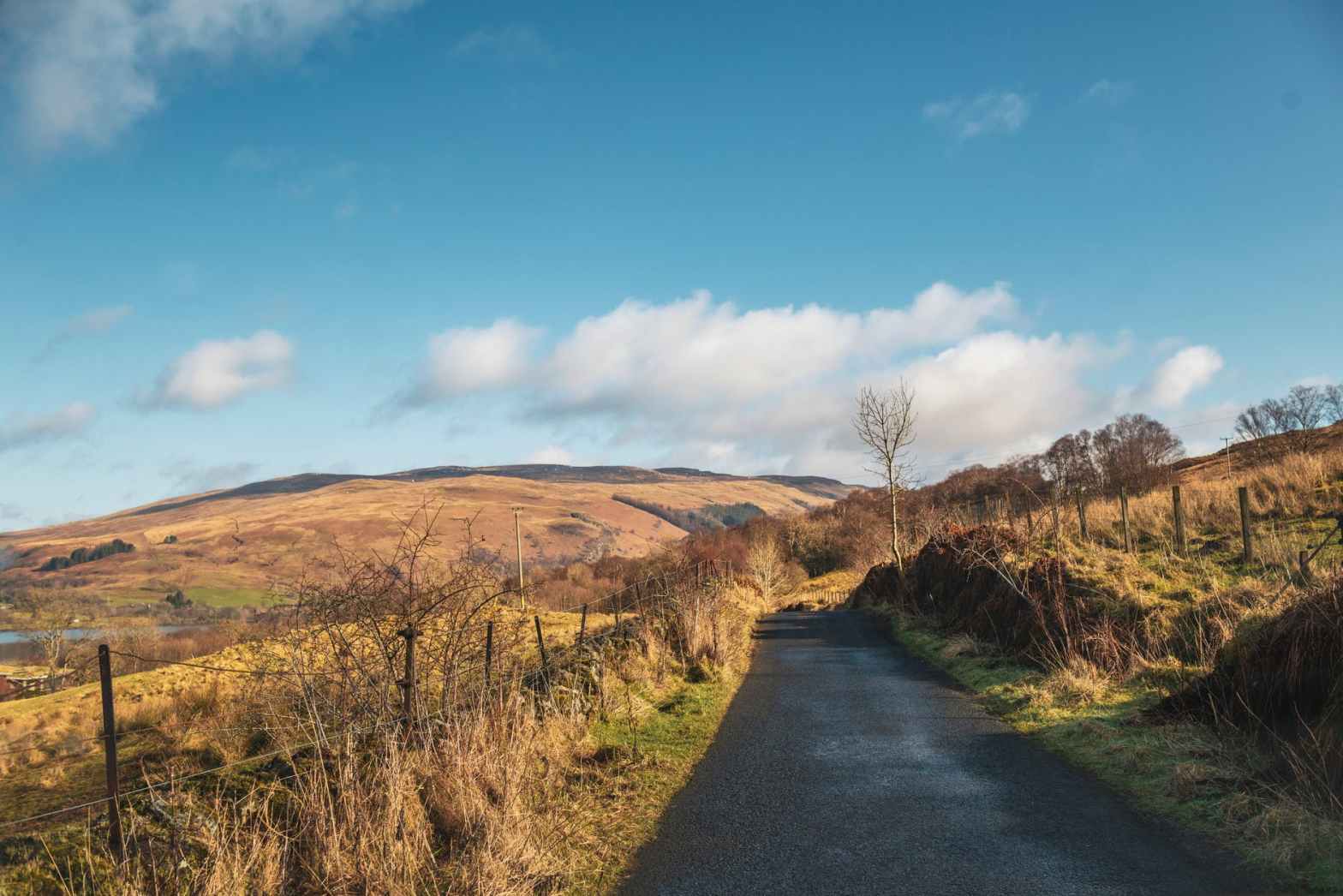
This podcast comes from the bbc Scotland Outdoors. Archive from 1980 featuring Jock Nimlin, Tom Weir, Robert Grieve and others. Some wonderful recollections of adventures in a simpler time. There is much to be gained from those who adventured before us. If you’re sitting back listening to this and getting glassy eyed about the past,Continue reading “The Mountain Men of the 1930’s – Adventures in the Scottish Hills”
Beds in the Bush
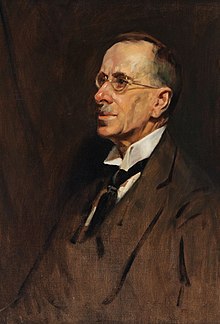
Robert Henderson Croll “Along the Track” Bob Croll published “Along the track” in 1930. Its a memoir of travels in the Victorian Bush per boot. The Order commends this essay to you. File it under nostalgia. You can read other essays from the book here. “Bed in the bush with stars to see.” -R.L.S AContinue reading “Beds in the Bush”
Men and Mountains

The federation of new south wales bushwalking clubs published “The Bushwalker” This is by B Thompson (c.m-w) from edition number 6. 1942 To all of us in whom the love of mountains and nature is so deeply rooted, it is difficult to realise that mountains were once regarded as objects of dread. Greek and RomanContinue reading “Men and Mountains”
Few People Know
A quote by Ralph Waldo Emerson It is not difficult. Do not overthink it. Plan, but do not dwell on the ifs and buts. Here are some tidy prerequisites.
Quote: Theodore Roosevelt
“Speak softly, and carry a big stick” On September 2, 1901, Teddy Roosevelt used the phrase “speak softly, and carry a big stick” to describe his foreign policy. Big Stick diplomacy defined his presidency. https://www.britannica.com/event/Big-Stick-policy https://www.nationalgeographic.org/thisday/sep2/big-stick-diplomacy/ The widespread use of ‘speak softly and carry a big stick’ began with American president Theodore Roosevelt. In aContinue reading “Quote: Theodore Roosevelt”
Quote: Jack Kerouac
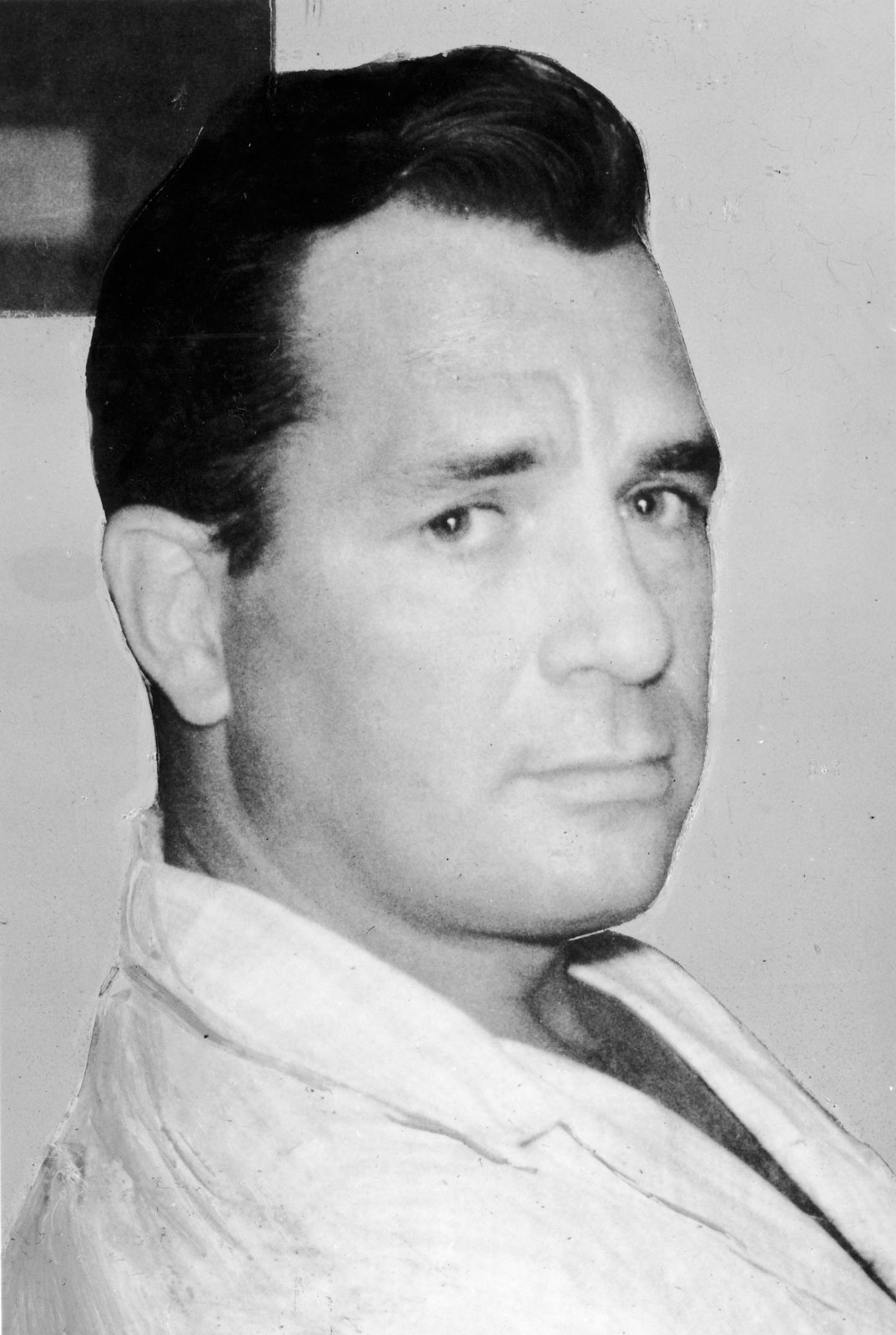
“Because in the end, you won’t remember the time you spent working in an office or mowing the lawn. Climb that goddamn mountain.” – Jack Kerouac
Essay: On Going A Journey
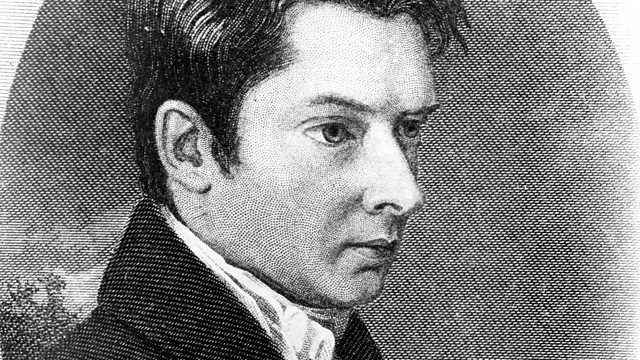
I grant there is one subject on which it is pleasant to talk on a journey, and that is, what one shall have for supper when we get to our inn at night. The open air improves this sort of conversation or friendly altercation, by setting a keener edge on appetite. Every mile of the road heightens the flavour of the viands we expect at the end of it. How fine it is to enter some old town, walled and turreted, just at approach of nightfall, or to come to some straggling village, with the lights streaming through the surrounding gloom; and then, after inquiring for the best entertainment that the place affords, to ‘take one’s ease at one’s inn’!
Essay: Walking Tours
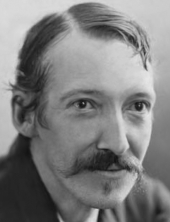
“In the course of a day’s walk, you see, there is much variance in the mood. From the exhilaration of the start, to the happy phlegm of the arrival, the change is certainly great. As the day goes on, the traveller moves from the one extreme towards the other. He becomes more and more incorporated with the material landscape, and the open-air drunkenness grows upon him with great strides, until he posts along the road, and sees everything about him, as in a cheerful dream. The first is certainly brighter, but the second stage is the more peaceful. A man does not make so many articles towards the end, nor does he laugh aloud; but the purely animal pleasures, the sense of physical wellbeing, the delight of every inhalation, of every time the muscles tighten down the thigh, console him for the absence of the others, and bring him to his destination still content.”
Henry Lawsons Walking Stick
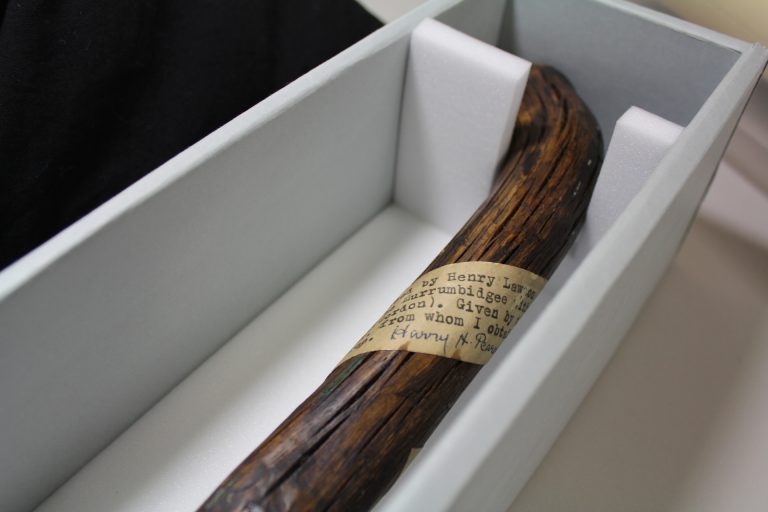
If there was ever a walking stick of significance, it would be the walking stick belonging to Henry Lawson. His stick may have been for mobility but no doubt it enabled his thoughts to flow freely as he travelled around the country.
 The Order Of Walkers