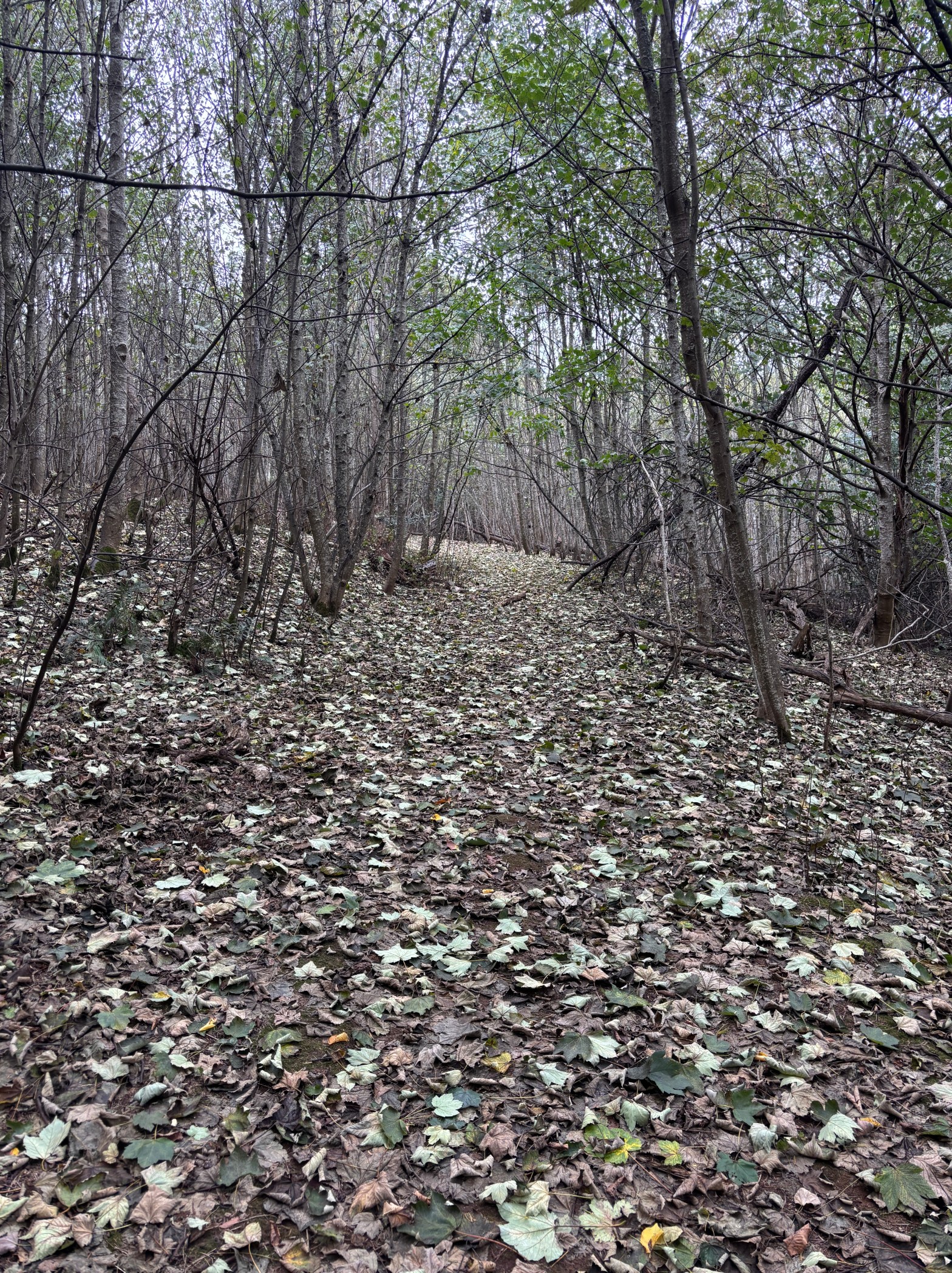
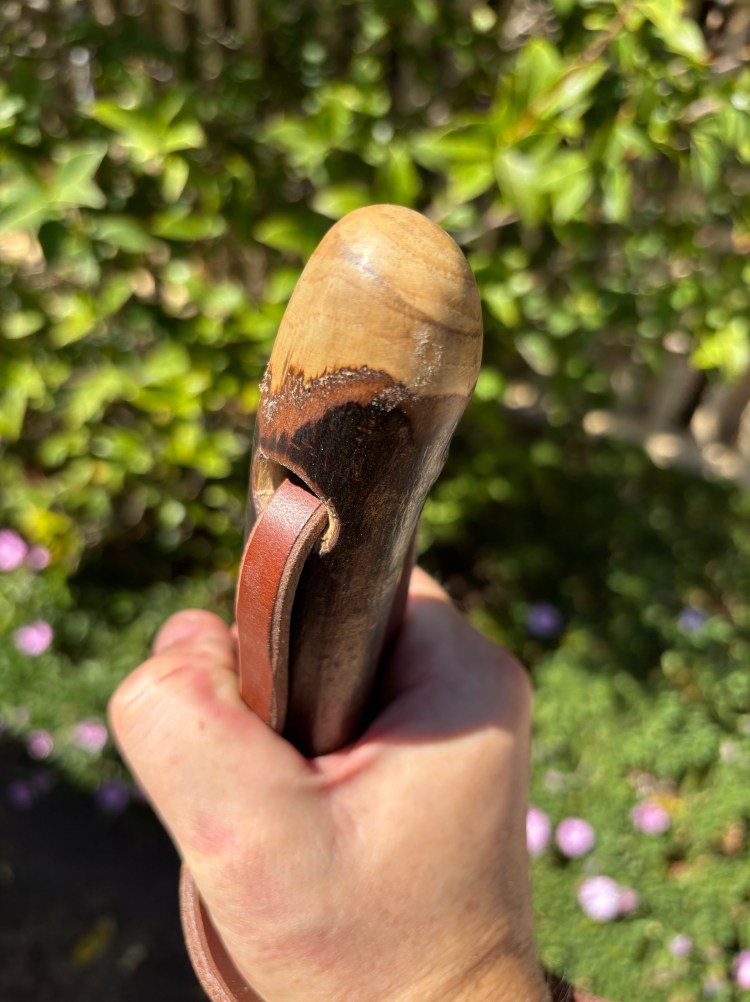
It’s easy to think that a hiking stick can be picked up from the forest floor and be an affable companion for you as you journey. It’s just a stick. Yet finding that straight branch with the right heft that gives that overwhelming feeling of connection is rare. Celebrate it if you find it. Keep the stick for future adventures. It now has provenance. A walking\hiking stick that has been carefully selected, seasoned, and finished is a different matter. It will have a ruggedised ferrule with a spike, and a lanyard on the handle for purchase. The finish will be smooth and tactile for your hand. It will attract the jealous eye of others. Your chosen stick will have the appropriate heft to provide confidence when ascending or descending steep slippery slopes. Three points of connection to the earth. You will mourn its loss when that time comes.
When I started crafting hiking sticks in 2018 as an on again off again concern, I thought I would use a lot of eucalypts to honour the great giants in Victorian Forests. On weekly wanders I picked up all sorts of sticks and tried to identify the species. I immersed myself in botany books and tried to teach myself the classification of Kingdom Plantae. It’s a mammoth task, but its part of being a lifelong learner and cultivating a curiosity.
And then, a great door opened. It’s the exotic hardwoods that make the best hiking sticks. The eucalypts don’t steam bend well and they have no give. I have now turned my crafting attention to those exotic hardwoods such as Apple, Chestnut, Hawthorne, Sycamore Maple, Common Hazel. These timbers can be easily straightened, are light and strong, and have a beautiful grain that can be exposed. Once finished they can sit beside your door as an object of art or be a sturdy unfaltering aid to the walker as she travels hill and dale.
The only eucalypts I craft now are new growth red gum suckers. When the Murray River floods the Barmah or Gunbower forest and environmental flows are allowed to rejuvenate Country, thousands of redgum seedlings germinate on the plain. After a few years some beautiful straight specimens can be dug out with their root ball to make a lovely strong walking stick with a mesmerising grain.
Choose the timber for your walking or hiking stick carefully, try to break it in the middle with your shin. If it passes that test then it is likely to afford you the fruits of its slow growth and make a worthy accessory to your adventuring kit.
 The Order Of Walkers
Fantastic piece.
LikeLike