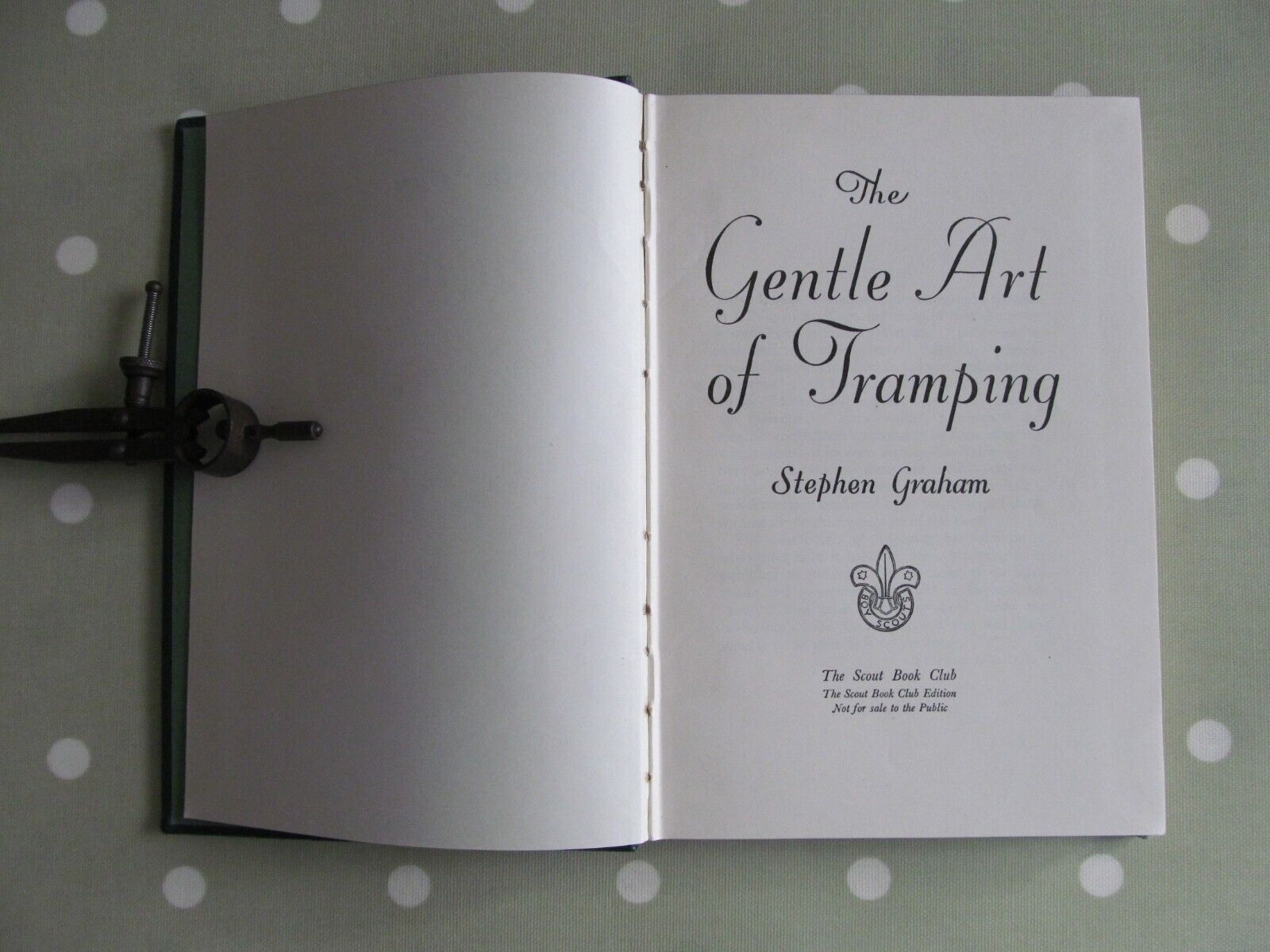
The less you carry the more you will see, the less you spend the more you will experience.
In tramping you are not earning a living, but earning a happiness. There is perhaps no greater test of friendship than going on a long tramp. You discover to one another all the egoisms and selfishnesses you possess.
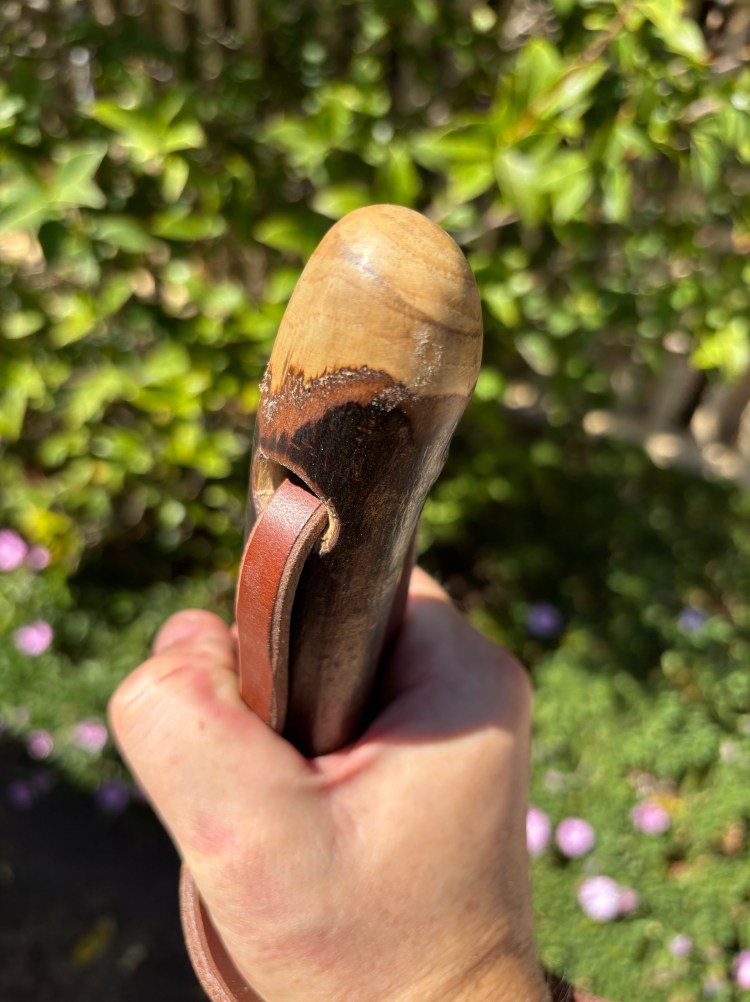
It’s easy to think that a hiking stick can be picked up from the forest floor and be an affable companion for you as you journey. It’s just a stick. Yet finding that straight branch with the right heft that gives that overwhelming feeling of connection is rare. Celebrate it if you find it. Keep the stick for future adventures. It now has provenance. A walking\hiking stick that has been carefully selected, seasoned, and finished is a different matter. It will have a ruggedised ferrule with a spike, and a lanyard on the handle for purchase. The finish will be smooth and tactile for your hand. It will attract the jealous eye of others. Your chosen stick will have the appropriate heft to provide confidence when ascending or descending steep slippery slopes. Three points of connection to the earth. You will mourn its loss when that time comes.
When I started crafting hiking sticks in 2018 as an on again off again concern, I thought I would use a lot of eucalypts to honour the great giants in Victorian Forests. On weekly wanders I picked up all sorts of sticks and tried to identify the species. I immersed myself in botany books and tried to teach myself the classification of Kingdom Plantae. It’s a mammoth task, but its part of being a lifelong learner and cultivating a curiosity.
And then, a great door opened. It’s the exotic hardwoods that make the best hiking sticks. The eucalypts don’t steam bend well and they have no give. I have now turned my crafting attention to those exotic hardwoods such as Apple, Chestnut, Hawthorne, Sycamore Maple, Common Hazel. These timbers can be easily straightened, are light and strong, and have a beautiful grain that can be exposed. Once finished they can sit beside your door as an object of art or be a sturdy unfaltering aid to the walker as she travels hill and dale.
The only eucalypts I craft now are new growth red gum suckers. When the Murray River floods the Barmah or Gunbower forest and environmental flows are allowed to rejuvenate Country, thousands of redgum seedlings germinate on the plain. After a few years some beautiful straight specimens can be dug out with their root ball to make a lovely strong walking stick with a mesmerising grain.
Choose the timber for your walking or hiking stick carefully, try to break it in the middle with your shin. If it passes that test then it is likely to afford you the fruits of its slow growth and make a worthy accessory to your adventuring kit.
The runner’s high is well documented with testimonials and scientific reasoning. It is the state of euphoria that overcomes the runner after a period of exertion. Athletes report a lapse in anxiety and a higher pain threshold. Strangely, it does not manifest in all runners. As a walker I am interested in the translation of the runners high to the walkers high. If you struggle with mainstream meditation techniques then pursuing a flow state via walking may be for you.
The walkers high is a more cunning quarry. You will need to employ discipline, routine and some grassroots faith to open that door. You will need to walk for longer, and perhaps mix a brisk pace with some aerobically challenging terrain over a day to achieve some similar results. Walkers would more readily recognise the runners high as entering a flow state. Many walkers remain unaware and overlook the flow state when they are on a long distance walk, for they are just enjoying the walk and accepting the rewards without the academic thinking. The euphoria can present in many ways.
Easy measured breathing.
Reduced anxiety.
Feelings of calm.
A focused thinking unlike you normally experience.
A beautiful exhaustion upon conclusion that enables the sleep of the dead.
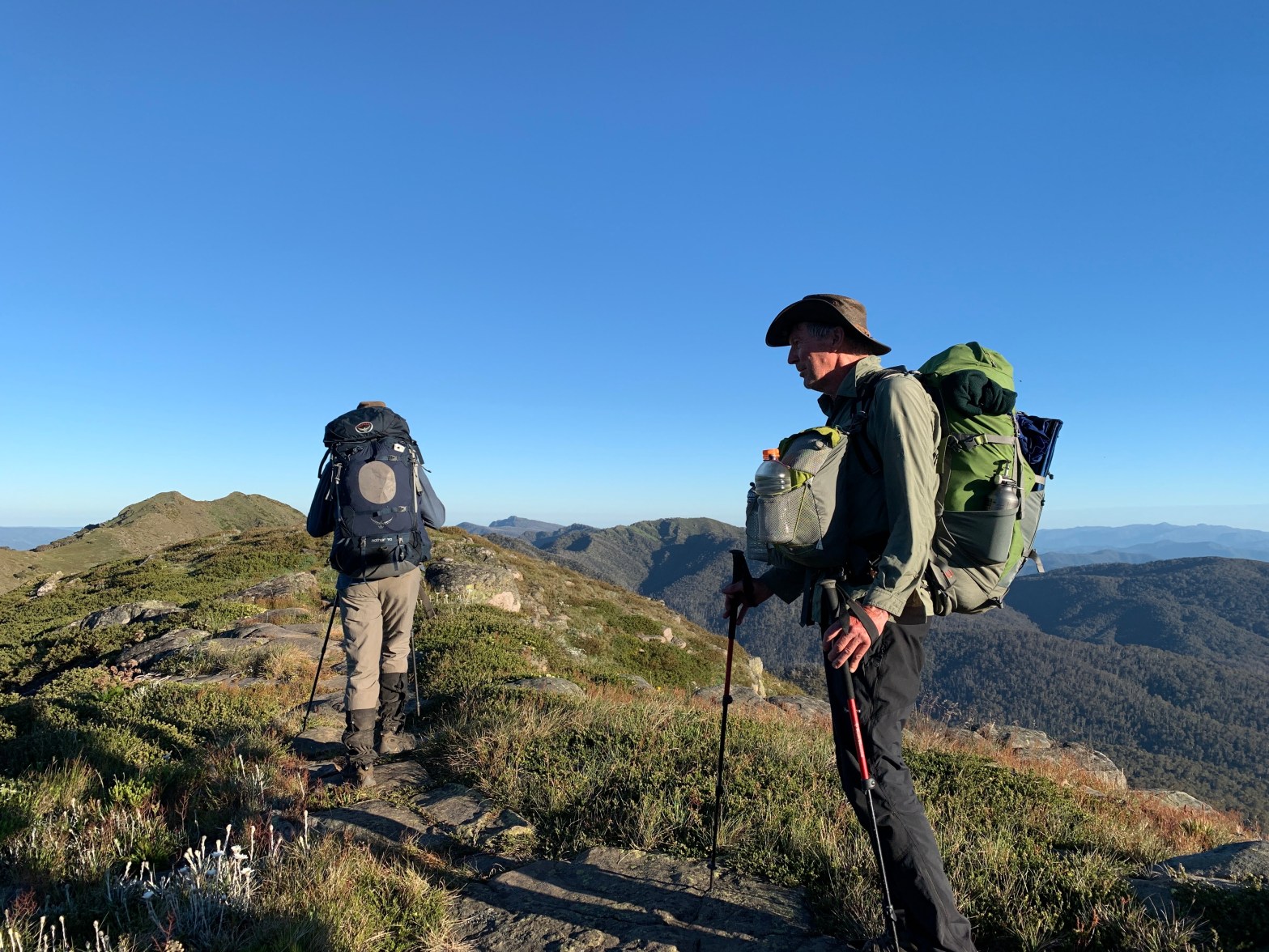
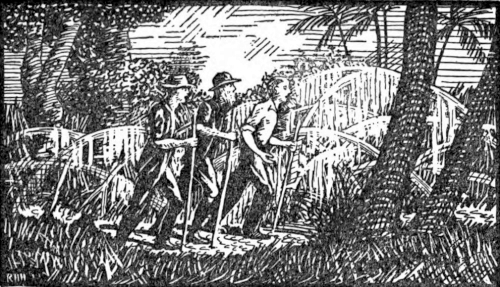
I have walked solo and with companions and have come to recognise the signals. After the third day of an expedition all the frivolous conversations have been exercised. Members have aired pressing issues and complaints to the party and have had them reflected back. This is the purging period. It takes time to cross from the real world into the other world. On these long multi day expeditions there will be periods of time when the party strings out and separates on the track. This is where flow can be found. The landscape is pregnant for the walker, the natural stride opens the gate, the hurdles for flow have been cleared.
We must not discount optic flow when we walk. The eyes sucking up a constantly changing landscape as you perambulate your route. Likewise, the aural palette of sounds within reach creating the euphonic dimension. Your brain is processing this data and filing it away. It’s all the basis for a walking meditation.
How will I know when I am in flow?
You might not. It could take twelve months of regular walking for you to understand the how and the when of your own flow state. Don’t worry about it. Just maintain a regular walking practice. You will know when you get there. Concentrate on the process. Focus on your breathing and your stride. Use your stick to enhance your rhythm with a consistent metre. Allow your mind to wander along with you.
Accept the addiction
When you routinely walk a full day it doesn’t take long to feel the symptoms of a walking addiction. You have become addicted to the flow state. The yearning to walk new routes, to see new things, to drink from rivers, to steal the views from hill tops, to spend a day with limited possessions, to feel like a pilgrim.
Foundations of Flow
If you are seeking to develop your walking practice, and hence reach flow, the following points may be of assistance.
Start early
Get the ear buds out of your ears.
Leave the phone at home or turn it off and put it in your haversack.
Walk with a hiking stick.
Start at a moderate pace then bring some fast walking into your morning.
Increase your stride. Reduce your stride.
Empty your brain of the events of the real world. Think through the issues then dump them.
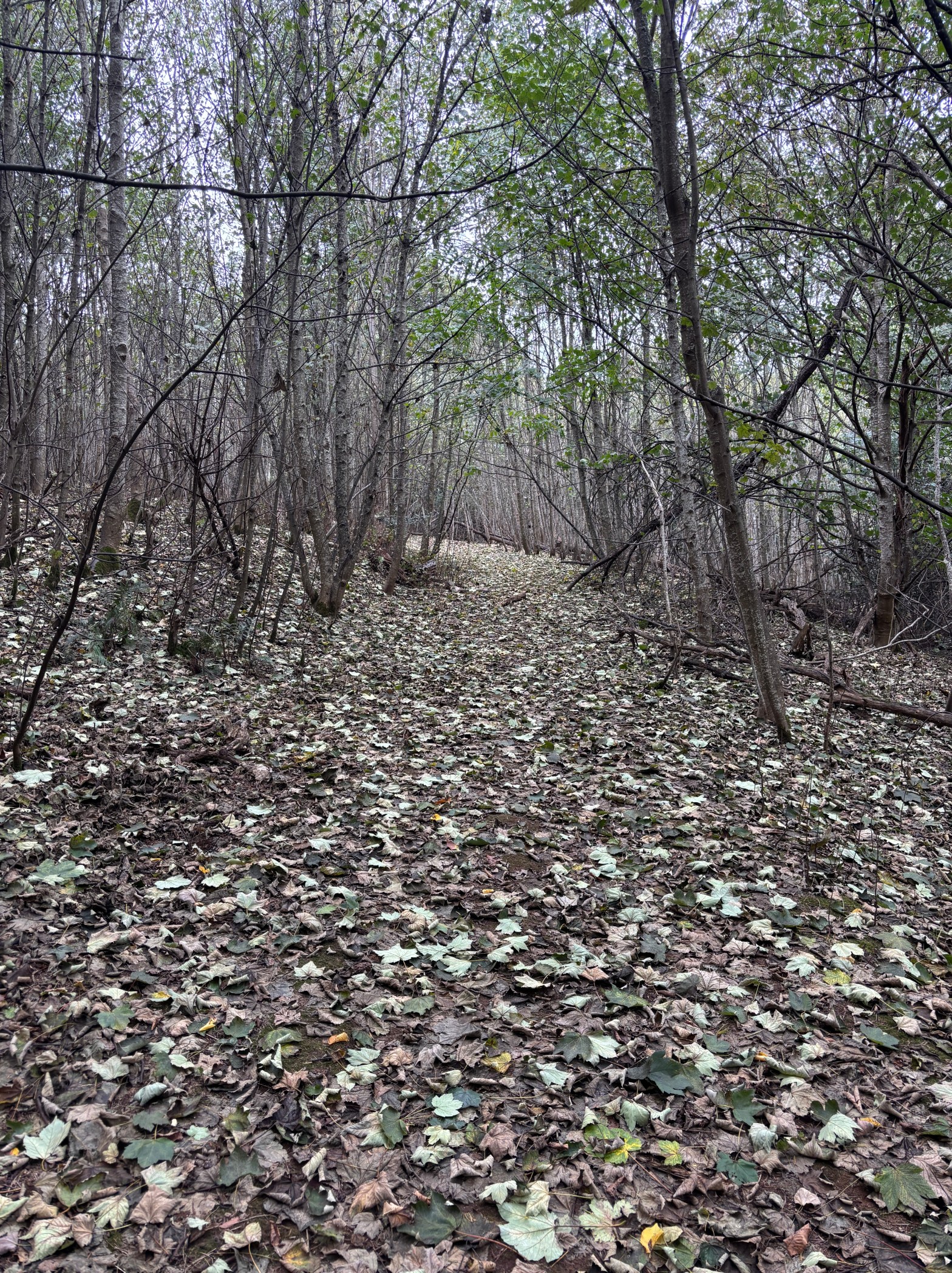
Engage the landscape with some detail. Look at some little birds hopping around a thicket, marvel at a tree, gaze over a beach, river or pond.
Listen
Smell
Perge movere. (Keep moving)
Get your breathing right. Keep it in front of you. Return to it. Notice it as you go over hill and dale.
Feel your muscles.
When thoughts pop into your mind, let them stay a while, feed them and then show them the door.
It’s quite ok to think about the cup of tea or coffee you are going to have later in the morning.
Use a steep hill to tether your stride to breathing.
Have a long break at the noonday halt. Gift yourself at least 90 minutes. Eat. Nap. Take your boots off. Read. Chat.
Like all life pursuits, process beats outcome. Your investment in a day’s journey is a tonic for modernity. The walkers high is yours for the taking.
Sometimes when planning a walk with others, I have to gently remind and reinforce the rewards of investing a complete day in the endeavour. Invest time, Invest in yourself. Time is the only true commodity we have, and we have so little.
Gift yourself 10 minutes 20 seconds and watch “To Scale:Time” . Be humbled.
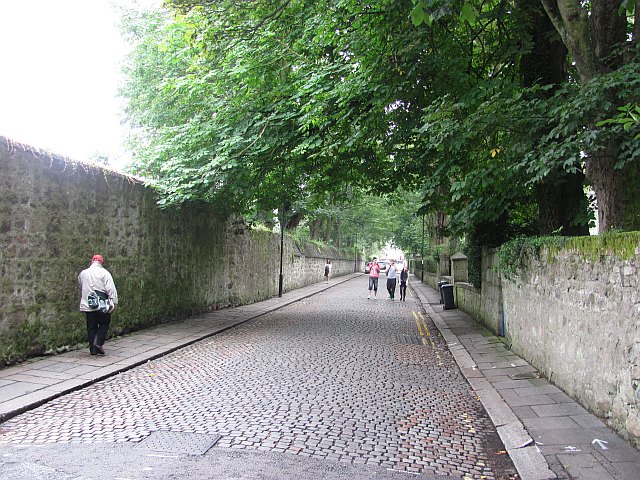
Not all walking journeys traverse a mountain range, watersheds or plains. Urban walking the green wedges of our cities offer us clues to those who inhabit the community one is passing through. You can take the temperature of society. The quality of the local creeks, the amount and type of litter you pick up, the tree renewal and beatification programs the shire is developing. Look and Listen.
Jonathan Green from Radio National takes us on an urban tramp around a section of Melbourne Australia. Samuel Alexander and Brendan Gleeson are co-authors of a new book: Urban Awakenings: Disturbance and Enchantment in the Industrial City
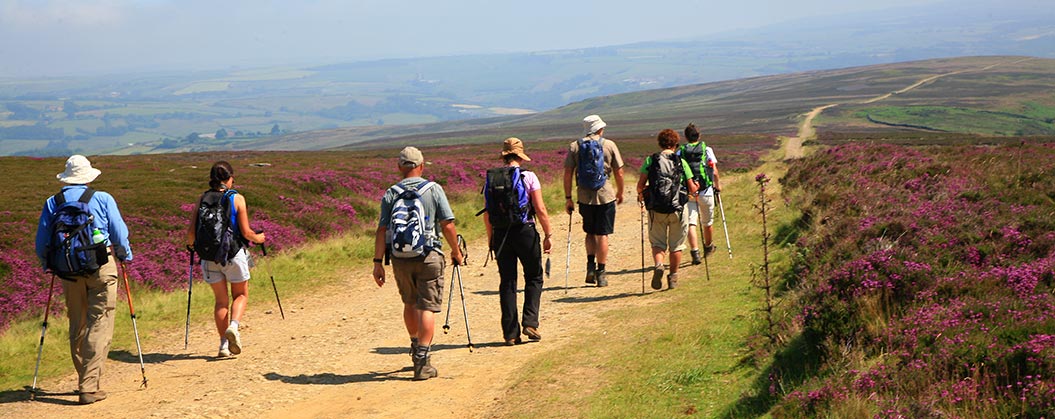
The Order is an enthusiastic proponent of distance walking. In the modern world it’s a hard sell to convince people to invest a day or days in a simple but long walking journey of which the fruits are mostly realised after the event and over time. This is a 2013 Australian study of long distance walking by Rob E. Saunders, Monash University, Jennifer Laing, La Trobe University, Betty Weiler, Southern Cross University. For those that are interested in detail it’s a 39 page read, the Abstract from this document is thus.
Long distance walking can help people cope with change and make enduring positive changes in their lives. Interviews with twenty five long-distance walkers reporting personally significant experiences on multi-day hikes suggest increased self-confidence, and other enduring changes which enhance well-being. By fostering engagement with people, settings and challenging tasks, long-distance walking is found to facilitate relationships, meaning and a sense of achievement. While the ensuing positive emotion may be short lived, enduring self-efficacy and growth can also result. Findings will be of interest to tour operators and guides, and provide insights into the transformative potential of long-distance walking experiences.
We offer a nod of sincere thanks to the academics above for their work
A hiking stick is a symbol of journey. It is not disposable. Once you have walked with a stick over an arduous day or a string of days, one is reluctant to send the stick back from whence it came. A curious relationship has developed, memories have been transferred to the stick for safe keeping.
Der Wanderer über dem Nebelmeer by Caspar David Friedrich
A beautifully crafted walking stick is the gift of tomorrow. It is the gift that stands by a door, always visible to its owner, always tempting you to wander. Goading you to get off the computer, put down the book and go for a walk to explore country. A gifted stick offers adventure, confidence and practicality. The first thing your loved one will do is hold the stick. Allow their hands to run all over it, feel the heft, acknowledging it as a thing of tactile art and a companion for the journey. They will examine the foot, the taper, the tip, the finish, the lanyard. You will bear witness to the yearning in their eyes, eager to take it for a walk and challenge themselves.
The gifted stick offers the perfect launchpad for the philosophical discussions required for the broader formation process of your young person. Take some quality time to go walking and allow the conversations to flow, the contest of ideals to be laid out.
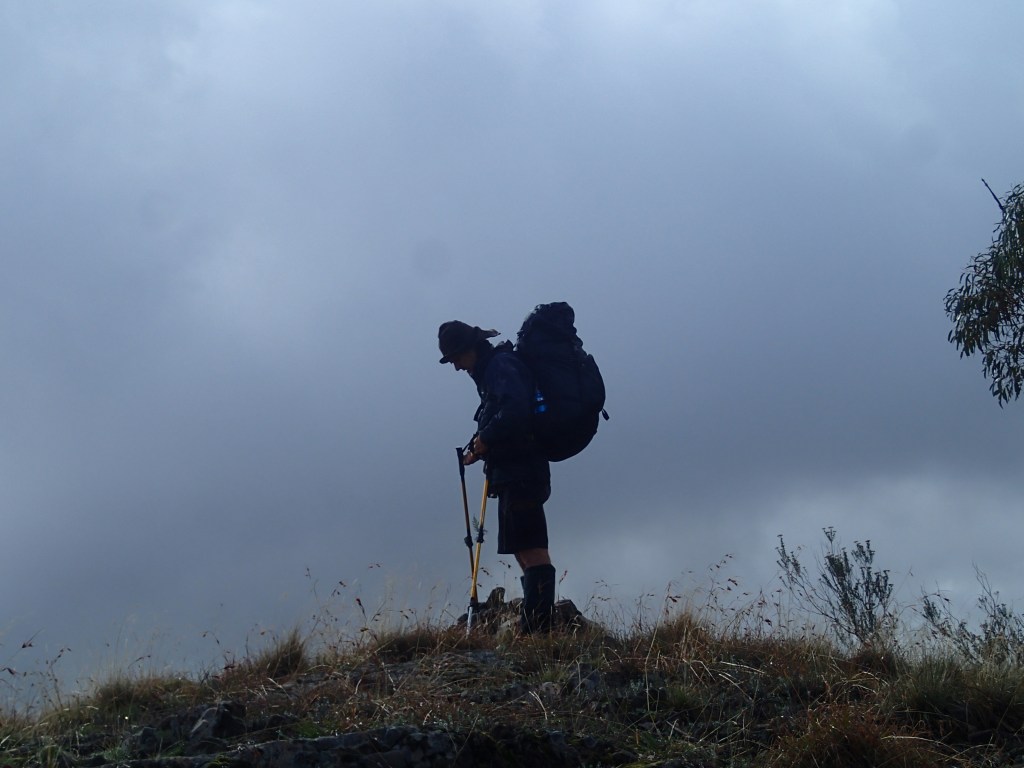
Stick walking makes a statement. It tells others that you are on a journey and that you are passing through. But more importantly it puts the bearer of the stick into the present. That other world, the world where technology, social media and commerce don’t matter. It enables an immersion into your immediate environment, be it remote country or a suburban linear streamside reserve. It enables time out, an opportunity to process everything going on in the real world.
As an aside, the stick doubles as a self defense aid.
A 13 minute you tube clip worthy of your attention. The Bioneer is an excellent communicator. This foundational tutorial can offer reset and affirmation.






 The Order Of Walkers